- Free Consultation: (919) 830-5602 Tap Here To Call Us




Kratom: Increasing Popularity Reveals Troubling Side Effects


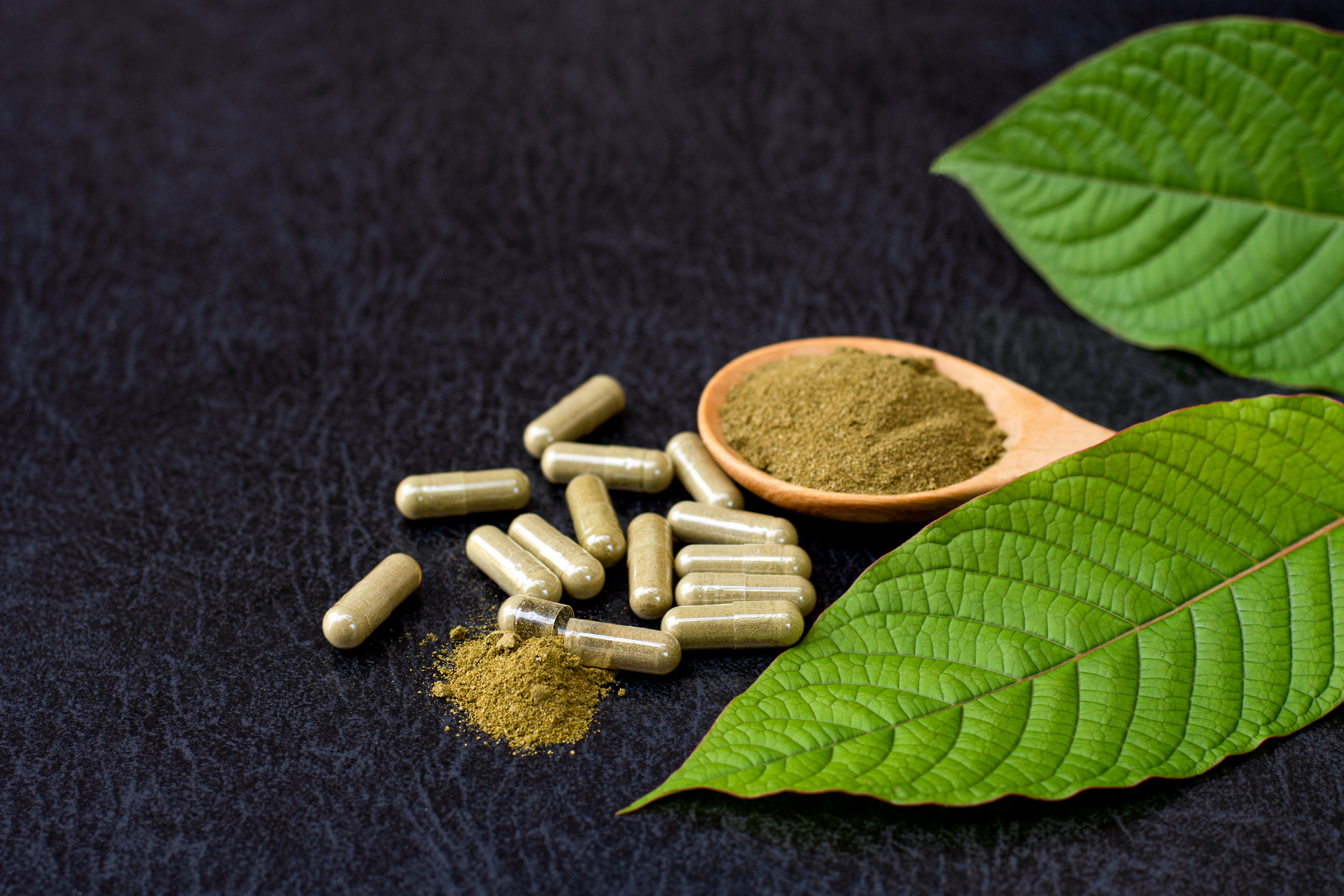
Kratom (mitragyna speciosa) is a tropical leaf native to Southeast Asia. While the plant is indigenous to Asia, the use, and abuse, of the plant has become much more common in the United States over the last decade. Today, you can easily purchase products made from kratom leaf online as well as in brick-and-mortar stores. The substance is manufactured into various vehicles of consumption including concentrated powder capsules, chewable tablets and gummies, and liquids. The leaves can also be crushed and smoked, and also brewed into herbal tea. Common Uses of Kratom In low doses, the leaf has been known to produce a stimulant effect, with users reporting increased physical energy and alertness. When taken in higher doses, the opposite occurs: the substance produces sedative effects. Kratom is used to self-treat physical pain, coughing, and diarrhea. It is commonly used to aid in treating psychological disorders such as anxiety and depression. The substance is also used to aid individuals with opioid withdrawal, and opioid use disorder. Adverse Effects of Kratom Use The FDA has warned consumers of a myriad of physical and psychological side effects of using Kratom. The substance has a range of negative effects on the body, ranging from relatively mundane to extremely severe. Kratom has been reported to cause dry mouth, itching, and sweating. It also increases the likelihood of gastrointestinal problems including nausea and vomiting, constipation, increased urination, lack of appetite and extreme weight loss. It can additionally cause hepatotoxicity (chemical-induced liver damage), and can lead to liver toxicity. Use of the substance can cause serious cardiovascular problems, including tachycardia (irregular heartbeat). Usage has been known to provoke seizures, and in extreme cases, the substance use has been connected to death. Kratom, while marketed to aid users dealing with opioid withdrawal, can lead to addiction itself. There is a risk of substance abuse disorder (SUD) associated with Kratom usage. Users with SUD experienced cravings for the substance, increased tolerance, used the product for longer than intended, and experienced withdrawal symptoms after stopping usage. The substance can also cause psychotic symptoms including hallucinations, delusion and confusion, and psychosis. Regulation of Kratom
Kratom has yet to be approved by the FDA for any personal or medical use. The agency warns against using the substance until further scientific studies can be conducted. The chemical compound is not controlled under the Controlled Substances Act. Additionally, the DEA has listed Kratom as a drug/chemical of concern. The substance is banned in a few states, including Georgia, Texas, and Alabama, with the latter having deemed Kratom a Schedule I controlled substance, banning it alongside Heroin and Marijuana. Kratom Litigation There have been several personal injury lawsuits filed against organizations with regards to Kratom. These claims have been filed against manufacturers and distributors for inadequate warnings about the risks of use. Plaintiffs have sought compensation for injuries, lost wages, pain and suffering, medical expenses, emotional distress, among other damages. The most common current litigation involves wrongful death, with plaintiffs in Washington, Oregon, Florida, receiving settlements in excess of one million dollars. Lawsuits have also been brought against distributors for allegedly getting users addicted to the substance. Additional litigation involves product contamination, with a salmonella outbreak being linked to Kratom products in 2018. If you or a loved one believe you have experienced health problems from Kratom use, first and foremost make sure to contact your doctor. If your physical or psychological reactions have been severe, it might be worth taking the time to assess your legal options. Feel free to contact Attorney Clay Hodges at (919) 830-5602.
Note: This post is not legal advice or medical advice.